


Planning Beyond Harvest
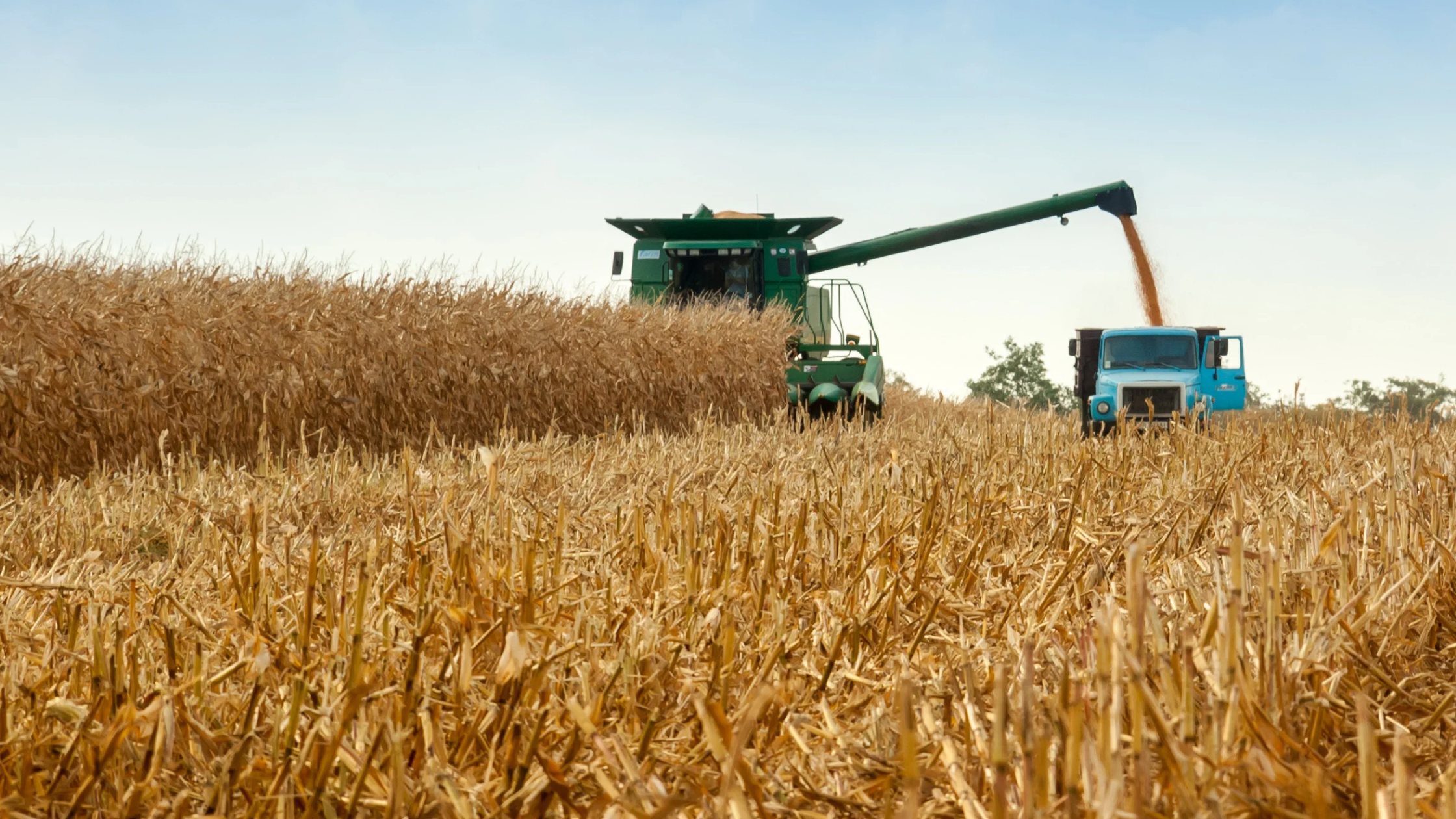
A Different Kind of Harvest: Planning Through the Challenges
Harvest is always a busy season, but this year has brought its own set of challenges. With wet conditions delaying fieldwork and keeping many farmers out of the fields longer than expected, getting the crop out has been anything but straightforward.
Between watching the weather, managing equipment and making the most of every opportunity to get into the field, there's plenty to think about. But even with harvest underway, it's important not to lose sight of the financial side of your operation.
Every farm is different, but here are six things worth keeping in mind as you work through this year's harvest and start looking ahead to 2027.
1. Revisit Your Yield Expectations
Now that harvest has started, you're likely getting a better picture of how this year's crop is performing compared to your original projections.
Take what you're seeing in the field and compare it with the cash flow projections you put together earlier in the year. Even a rough estimate can help identify where actual income may differ from what you planned.
Don't just focus on bushels. Consider how different combinations of yield and price could affect your overall revenue. With harvest delays and changing conditions, it's especially important to keep those numbers updated as you go.
2. Keep an Eye on Cash Flow
A later harvest can also mean a shift in when expenses come due and when income becomes available.
Fuel, repairs, drying, trucking, storage, land payments, input bills and other year-end obligations can add up quickly. With the wet conditions this fall, additional drying costs and unexpected expenses may also need to be factored into your plans.
Take a look at what's coming due, when you expect to have grain sold and what funds you'll have available in the meantime.
If you have an operating line, now is a good time to review where things stand rather than waiting until additional funds are needed.
A simple question to ask yourself is: If harvest takes longer than expected, do I have enough flexibility in my cash flow?
3. Have a Plan for Your Grain
With harvest moving at a different pace this year, grain marketing and storage decisions are especially important.
Know what grain is already committed, what you plan to sell at harvest and what you may want to store. If you have on-farm storage, consider available capacity along with drying, handling and storage costs.
Wet grain can bring additional expenses, and those costs should be considered when deciding whether to sell or store your crop. Interest, shrink and storage costs can also affect the profitability of holding grain.
The goal isn't to predict the perfect price. It's to have a plan that makes sense for your operation and adjust it as conditions change.
4. Start Looking Ahead to 2027
It may feel like there's enough to worry about just getting through this harvest, but it's never too early to start thinking about next year.
As you work through the remainder of the season, keep these things in mind:
- Input needs and anticipated costs
- Equipment purchases or repairs
- Cash rent and land expenses
- Financing needs
- Crop rotation or acreage changes
- Capital improvements you're considering
Taking note of what worked well this year, along with the challenges you've faced, can help you make more informed decisions for the next growing season.
“Harvest is obviously a very busy time of year, but it’s important to not get complacent with your grain marketing plan. We’re currently seeing new crop corn prices at seventy cents above cash flow projections, and about two dollars above on soybeans. I am by no means providing marketing advice, but re-evaluating your breakeven with these new prices will help you to make a decision on how and when you will market this year’s crop. From everyone at Green Belt Bank & Trust, we wish you a safe and successful harvest season.” - Caleb Bartling, AVP/Ag Lender.
5. Run a Few "What If?" Scenarios
If this year's harvest has shown us anything, it's that plans don't always go as expected.
What happens if yields come in lower than projected? What if grain prices change? What if wet conditions continue to delay harvest or increase drying costs?
Running a few scenarios can help you identify potential cash flow challenges before they become bigger problems.
You don't need to have every answer. Sometimes looking at a best-case, expected and more conservative scenario can give you a clearer picture of where your operation stands.
6. Keep the Conversation Going with Your Ag Lender
You don't have to wait until harvest is finished to start talking about what's next.
One of the most useful things you can bring to a conversation with your ag lender isn't a perfect set of numbers. It's current information.
Updated yields, expected grain sales, upcoming expenses and plans for the next crop year all help you and your lender make more informed decisions.
At Green Belt Bank & Trust, our Ag Lending Team understands that farming doesn't always go according to plan. We're here to work alongside you through the busy seasons, the unexpected challenges and the opportunities ahead.
As you work to wrap up harvest and look toward 2027, we're here to help you plan for what's next.
"Agricultural lending is more than renewing a loan. It's partnering with producers to navigate market cycles, manage risk, and building a financial plan that supports the next season, the next generation, and the long-term viability of the farm. At Green Belt Bank & Trust, we are proud to be part of our communities and our producers' operations for the past 40 years and strive to be a valued partner into the future!” - Clint Ackerson, Chief Lending Officer